





?qlt=85&wid=320&ts=1788276675243&dpr=off "Scenic beach view with clear water and anchored boats | MSC Cruises")














When is the best time to cruise the Eastern Mediterranean?
The months of late spring and early summer (particularly May and June), and also early autumn (particularly September and October), are some of the best times for Eastern Mediterranean cruises. These months offer pleasant weather for sightseeing and often a quieter experience than high summer. November offers the same advantages and has slightly cooler temperatures, which will appeal to some.
July and August are also fantastic months to soak up this part of the Mediterranean – especially if you enjoy a hotter climate and more sunshine. This is when the weather is at its warmest and driest, which explains why it’s also the most popular time of year to visit the region.
With this in mind, the ideal time to enjoy an Eastern Mediterranean cruise is between May and November.
What's the weather like in Eastern Mediterranean countries?
Weather in the Eastern Mediterranean varies by country and season. In general, spring is mild with some showers, while summers are hot and dry, with temperatures peaking inland. Autumn is warm, with temperatures gradually dropping and rainfall increasing. Winter is mild on the coast but colder inland – for example, parts of Slovenia, Italy and Turkey even get snow.
If you cruise the Eastern Mediterranean, you can visit Italy, Croatia, Greece, Slovenia, Montenegro and Turkey. Italy sees hot summers, with highs of around 33°C, and the further south you go, the warmer it gets. Spring and autumn are mild with some rain, while May and September are especially pleasant. Winter is mild on the coast but colder inland, with snow in the north and the mountains. Montenegro and Croatia have similar weather to Italy, with warmer summers and colder winters.
Greece and Turkey get hotter during summer, sometimes up to 40°C. September still feels summery, before temperatures slowly drop. Rainfall generally increases from November and through winter. Inland Turkey can see sub-zero temperatures and snow, before the snow and rainfall decrease and temperatures rise in spring.
Slovenia, meanwhile, has hot summers with occasional storms. Temperatures and sunshine rise steadily through spring and remain mild in September and October. November brings colder, wetter days, while winter is cold and snowfall is common in some areas.
Where do Eastern Mediterranan cruises depart from?
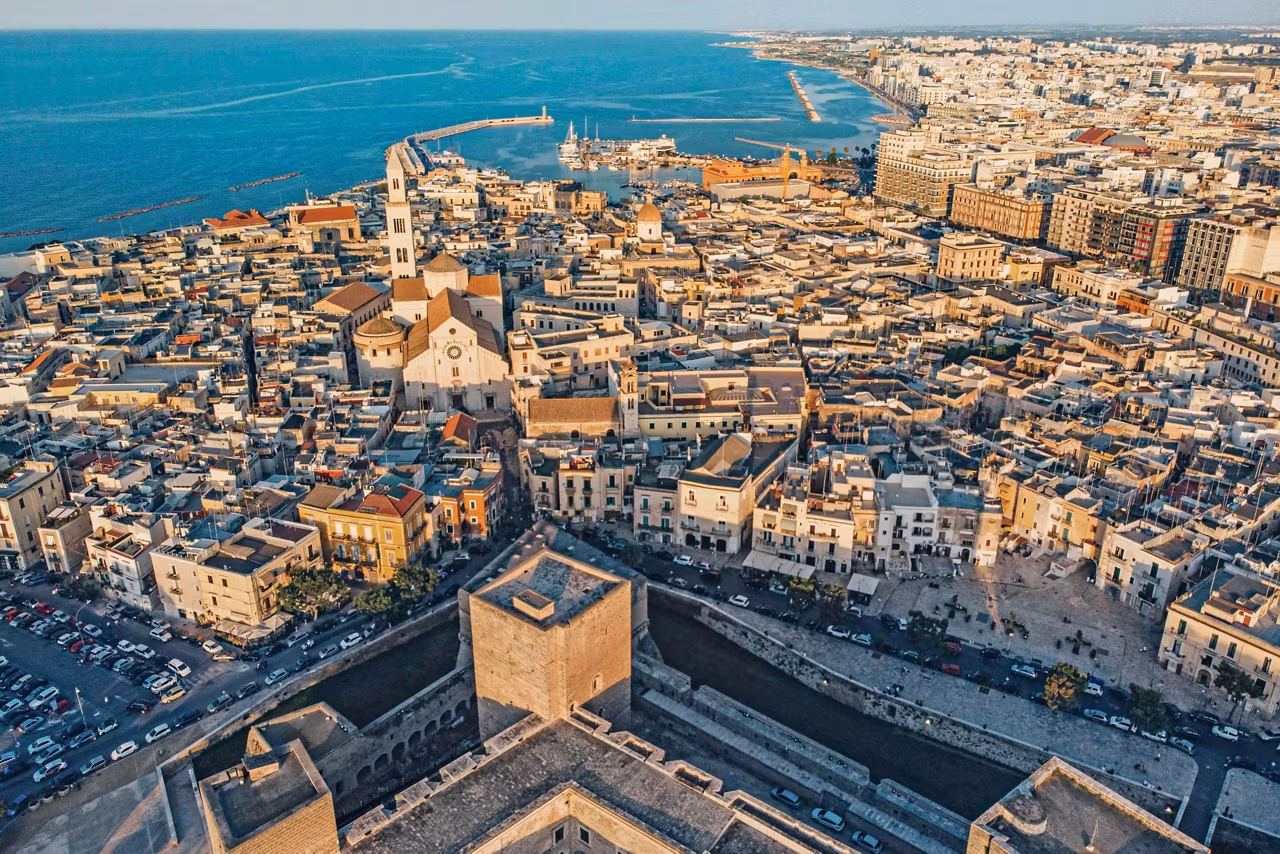
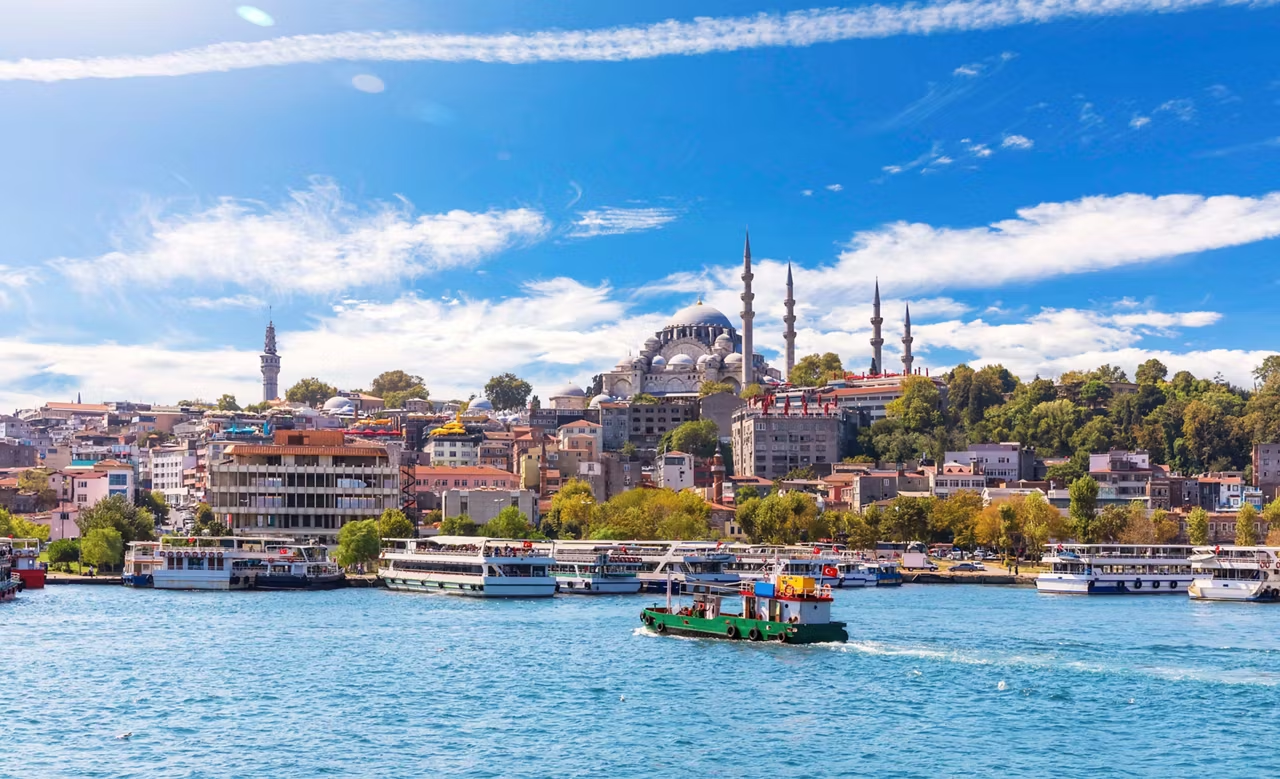
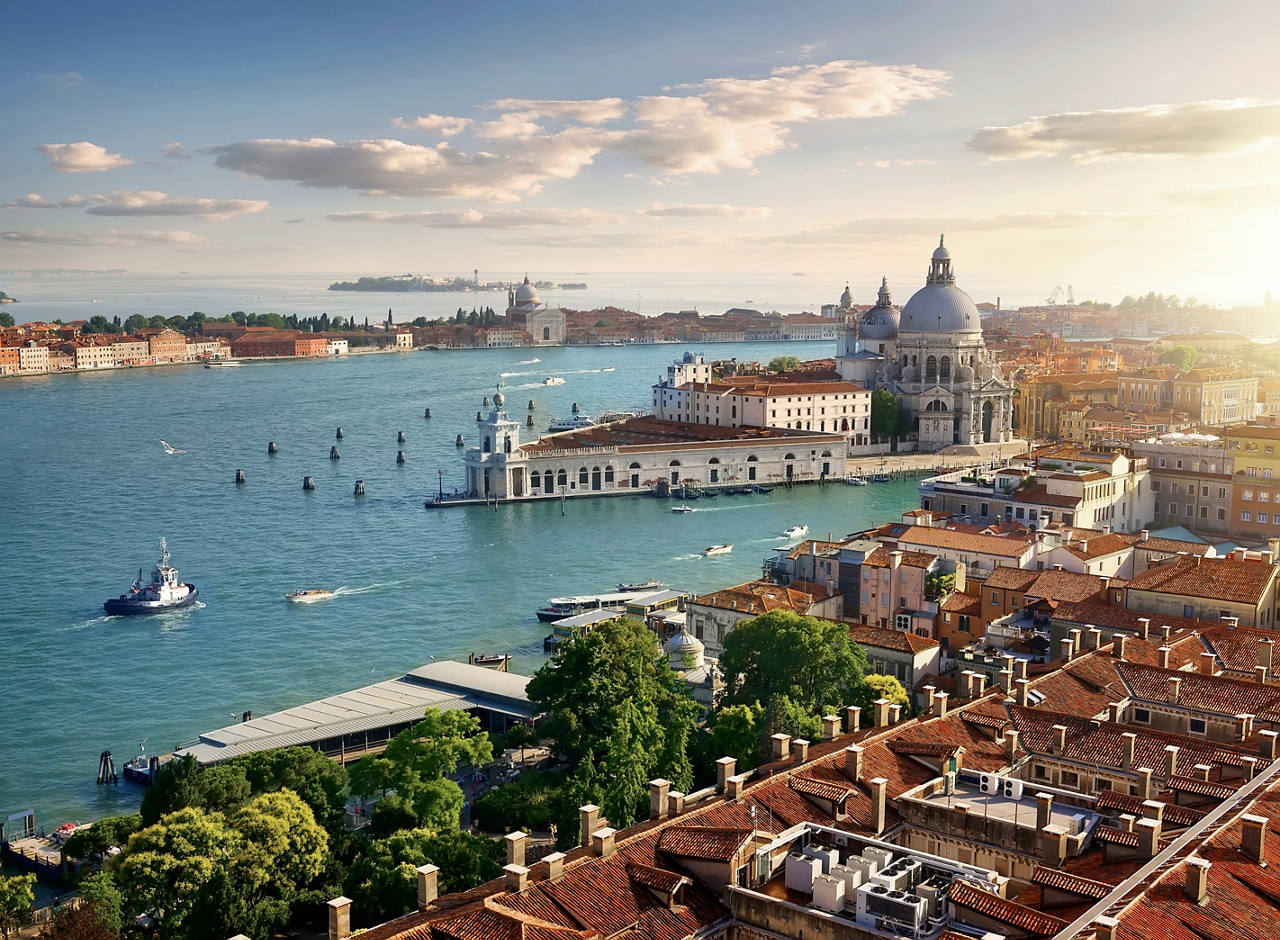
There are several locations that your Eastern Mediterranean cruise might depart from, depending on the itinerary you have chosen. Most often, you’ll board your ship in Venice, but you might also set off from other Italian ports such as Bari, Brindisi, Ancona or Trieste. Other potential departure points include Athens in Greece, Split in Croatia and the Turkish cities of Istanbul, Izmir and Kuşadası.
If you want to make your holiday-booking process even smoother, secure a Fly & Cruise package that streamlines booking and travel admin. For example, you can fly from Dublin to Venice in order to board your ship and begin your cruise, with any transfers in-between also taken care of by the Fly-cruise package.
Alternatively, explore Mykonos, and Marmaris by flying to Rome for embarkation in Civitavecchia from any of the following airports: Dublin, Manchester, Edinburgh, London Heathrow and Glasgow.
Where do Eastern Mediterranean cruises go?
Our cruises to the Eastern Mediterranean afford guests the chance to explore numerous well-loved destinations and iconic landmarks, as well as other rewarding destinations that remain a little more undiscovered.
Depending on which itinerary you book, you might end up admiring the Acropolis in the Greek capital, Athens, or taking a traditional wooden "pletna" boat ride on Lake Bled, Slovenia. You could join a walking tour of the Old Town in Bari, Italy, or see Montenegro's beautiful Bay of Kotor from a sea kayak. Or perhaps, you may choose to wander Dubrovnik’s dramatic city walls or delve into the history of ancient baths, temples and theatres at the Turkish archaeological site, Ephesus.
How much is an Eastern Mediterranean cruise?
Whether you’re looking to treat yourself or in need a wallet-friendly trip that still delivers on adventure, MSC Cruises offers itineraries to cover all budgets. Head to our website and start exploring our wide range of Eastern Mediterranean cruise deals to unlock the one that suits you best.
What to pack for an Eastern Mediterranean cruise?
Your packing list for an Eastern Mediterranean cruise will depend on the time of year you’re travelling. If your trip is planned for the summer, you’ll need to bring light clothing with breathable materials, such as cotton or linen. A sunhat, sunglasses and sun cream are also essential, while swimwear and beach cover-ups are useful for pool days and beach excursions.
If you have a cruise booked for spring or autumn, a raincoat is always useful to have. Depending on where you’re travelling to, the weather in these seasons will usually be mild but can also be rainy, and temperatures drop in the evenings, so make sure to pack layers and a light waterproof jacket. If your trip is in early spring or late autumn, you’ll also need a couple of jumpers and long trousers, too.
Winter generally requires warmer layers and jackets or a light coat, along with waterproof gear. If you’ll be visiting Turkey or Slovenia, add some thicker layers to your suitcase as the temperatures tend to be lower.
Regardless of the season, comfortable walking shoes are always a must, and it’s always worth bringing some smarter clothes if you want to attend some of the more formal dinners onboard your ship.
How long is an Eastern Mediterranean cruise?
The length of your Eastern Mediterranean cruise will depend on which itinerary you pick, as our holidays in this region range from one to 12 nights. For instance, you might embark on an overnight trip from Split to Venice or choose a five-night itinerary from Kusadasi to Genoa via Santorini, Naples and Civitavecchia.
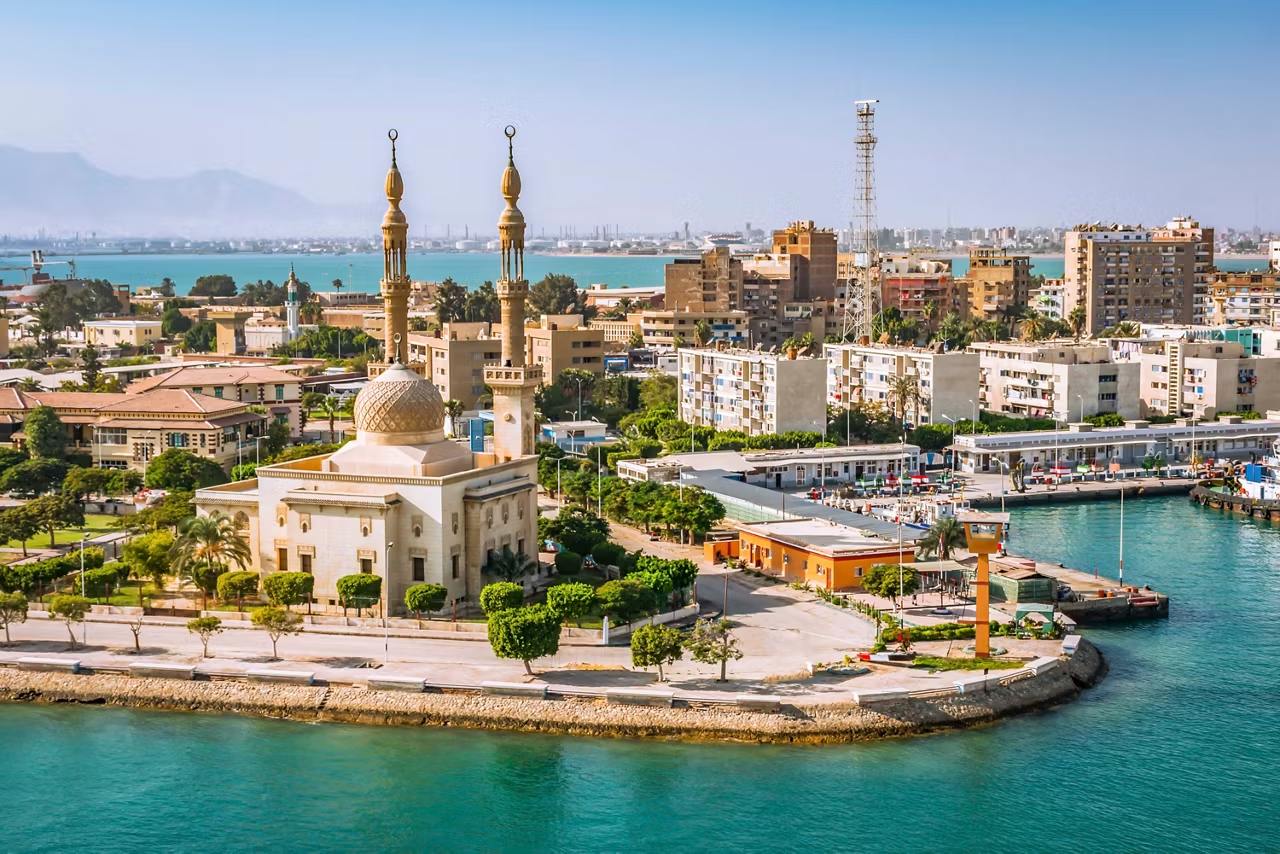
If you're looking for a longer holiday, set off on a 12-night adventure from Ancona to Venice, stopping at destinations in Greece, Cyprus, Egypt and Croatia along the way.
Whatever length of trip you choose, rest assured that you’ll be richly rewarded when you cruise the Eastern Mediterranean with us.
What is the best Eastern Mediterranean cruise?
Discovering the best Eastern Mediterranean cruise is all about personal preference. Those interested in history, for example, might love an itinerary that visits countries with impressive archaeological sites, such as the Acropolis and Olympia in Greece or the ancient city of Ephesus in Turkey.
If you prefer strolling around traditional towns and sunbathing on sandy beaches, pick a cruise that stops at prized Greek spots, such as Santorini – which offers charming villages in Oia and Fira – or Mykonos, which offers both history and a buzzy atmosphere.
If you adore outdoor activities, you might enjoy a trip that visits Montenegro, where you can go kayaking around the Bay of Kotor, or Slovenia, which promises cycling trips through bucolic landscapes and boating on Lake Bled.
The best cruise for you might also depend on the length of the itinerary. Those looking for a short trip will love our four- and five- nights cruises, while our 12-night itineraries are ideal for travellers looking for a longer escape.
What is the currency in the Eastern Mediterranean countries?
For many of the countries you’ll visit during Eastern Mediterranean cruises, the euro will be the currency used. Italy, Greece, Slovenia, Montenegro and Croatia all use it. If your itinerary includes stops in Turkey, note that the currency used there is the Turkish lira.
What is the time zone in Eastern Mediterranean countries?
The time zones of the countries visited during our Eastern Mediterranean cruises vary.
Italy, Croatia, Montenegro and Slovenia all use Central European Time (CET), but observe daylight saving time from the last Sunday in March until the last Sunday in October. This means that the time in these countries will always be one hour ahead of the time in the UK.
Greece uses Eastern European Time (EET) during the winter – putting it two hours ahead of Greenwich Mean Time (GMT) in the UK – while in summer, it switches to Eastern European Summer Time (EEST), which is also two hours ahead of British Summer Time (BST) in the UK. This means that the time in Greece will always be two hours ahead of the UK.
In Turkey, the time zone remains the same year-round. During the summer, Turkey Time (TRT) is two hours ahead of the UK, but during winter this changes to three hours ahead.


